Back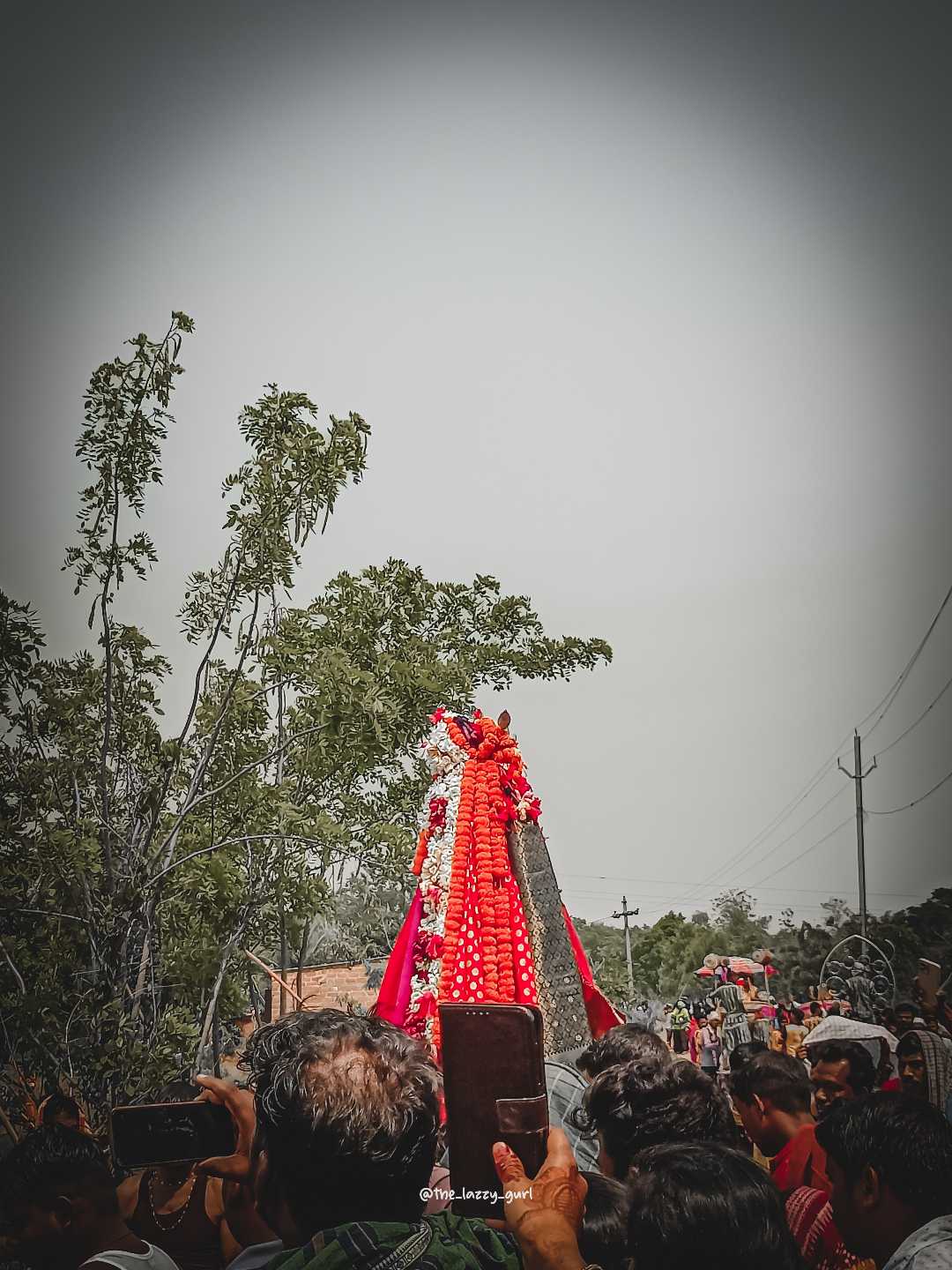


April 18, 2023
Pana sankranti ❤️
📍Dingara
Pana Sankranti, (Odia: ପଣା ସଙ୍କ୍ରାନ୍ତି) also known as Maha Bishuba Sankranti (Odia: ମହା ବିଷୁବ ସଙ୍କ୍ରାନ୍ତି), is the traditional new year day festival of Odia people in Odisha, India. The festival occurs in the solar Odia calendar (the lunisolar Hindu calendar followed in Odisha) on the first day of the traditional solar month of Meṣa, hence equivalent lunar month Baisakha. This falls on the Purnimanta system of the Indian Hindu calendar.It therefore falls on 13/14 April every year on the Gregorian calendar.
Official name: Pana Sankranti, Maha Bishuba Sankranti,Odia Nua Barsa
Also called: Maha Bisuba Sankranti
Observed by: Odias
Type: Social, Cultural, Religious
Significance: Odia New Year
Celebrations: Meru Jatra, Jhaamu Jatra, Chadak Parba
Observances: Pujas, processions, Bela Pana
Date : 1st Baisakha of Odia calendar
Related to : South and Southeast Asian solar New Year
Ghantapatuas are traditional male folk artistes from the Odisha that perform the art form "Jhama nata" during Pana Sankranti. They generally perform in a group of two or four wearing dresses that resemble women's clothing.
Danda nata that is performed during this festival celebration is one of the most ancient forms of performance art of the region. The opening ritual begins in the middle of Chaitra (March – April). The performers, also known as Dandua, take dip in a village pond and walk/run over hot charcoals while performing the art. After performing danda nata they also perform jala danda by dipping themselves in deep water for a short while. These performances symbolize the liberation from physical pain. A notable climax of the social celebrations is fire-walk, where volunteers sprint over a bed of burning coal while being cheered with music and songs.
In the Odia Hindu tradition, the Pana Sankranti is believed to be the birthday of the Hindu deity Hanuman, whose loving devotion Rama (seventh incarnation of Vishnu) in Ramayana is legendary. His temples, along with those of Shiva and Surya (sun god) are revered on the new year.
Hindus also visit Devi (goddess) temples on Pana Sankranti. The temples include Taratarini Temple near Brahmapur, Odisha in Ganjam, Cuttack Chandi, Biraja Temple, Samaleswari temple and Sarala Temple. At Sarala Temple the priests walk on hot coals in the fire-walking festival, Jhaamu Yatra. At the Maa Patana Mangala Temple in Chhatrapada, Bhadrak, the Patua Yatra festival is held from 14 April to 21 April. In Northern Odisha, the festival is known as Chadak Parva. In Southern Odisha, the Meru Yatra festival is celebrated as the end of the month-long danda nata dance festival. Thousands of devotees gather at the Shakti Pitha shrine in the Taratarini Temple because it is one of the auspicious days during the Chaitra Yatra.
The significance of the day is that the new Odia calendar or Panjika is also introduced which is an almanac of Hindu festivals and contains the dates of festivals, auspicious days and timings, timings of sunrise and sunset along with horoscopes for the year
In the Odia Hindu tradition, the Pana Sankranti is believed to be the birthday of the Hindu deity Hanuman, whose loving devotion Rama (seventh incarnation of Vishnu) in Ramayana is legendary. His temples, along with those of Shiva and Surya (sun god) are revered on the new year.
Hindus also visit Devi (goddess) temples on Pana Sankranti. The temples include Taratarini Temple near Brahmapur, Odisha in Ganjam, Cuttack Chandi, Biraja Temple, Samaleswari temple and Sarala Temple. At Sarala Temple the priests walk on hot coals in the fire-walking festival, Jhaamu Yatra. At the Maa Patana Mangala Temple in Chhatrapada, Bhadrak, the Patua Yatra festival is held from 14 April to 21 April. In Northern Odisha, the festival is known as Chadak Parva. In Southern Odisha, the Meru Yatra festival is celebrated as the end of the month-long danda nata dance festival. Thousands of devotees gather at the Shakti Pitha shrine in the Taratarini Temple because it is one of the auspicious days during the Chaitra Yatra.
The significance of the day is that the new Odia calendar or Panjika is also introduced which is an almanac of Hindu festivals and contains the dates of festivals, auspicious days and timings, timings of sunrise and sunset along with horoscopes for the year
In the Odia Hindu tradition, the Pana Sankranti is believed to be the birthday of the Hindu deity Hanuman, whose loving devotion Rama (seventh incarnation of Vishnu) in Ramayana is legendary. His temples, along with those of Shiva and Surya (sun god) are revered on the new year.
Hindus also visit Devi (goddess) temples on Pana Sankranti. The temples include Taratarini Temple near Brahmapur, Odisha in Ganjam, Cuttack Chandi, Biraja Temple, Samaleswari temple and Sarala Temple. At Sarala Temple the priests walk on hot coals in the fire-walking festival, Jhaamu Yatra. At the Maa Patana Mangala Temple in Chhatrapada, Bhadrak, the Patua Yatra festival is held from 14 April to 21 April. In Northern Odisha, the festival is known as Chadak Parva. In Southern Odisha, the Meru Yatra festival is celebrated as the end of the month-long danda nata dance festival. Thousands of devotees gather at the Shakti Pitha shrine in the Taratarini Temple because it is one of the auspicious days during the Chaitra Yatra.
.
The significance of the day is that the new Odia calendar or Panjika is also introduced which is an almanac of Hindu festivals and contains the dates of festivals, auspicious days and timings, timings of sunrise and sunset along with horoscopes for the year
Bela Pana
Bela Pana is a special festive sweet drink made from milk, ripe fruit of bel and spices, shared on Odia new year.
People from all over the state drink Bela Pana to mark the occasion. The Bela Pana is prepared with Bael, chhena, grated coconut and fruits, spices like ginger and black pepper and sugar or jaggery.
Basundhara theki
An important ritual observed during Pana Sankranti is Basundhara theki. A water filled earthen pot with a small hole at the end is placed at the top of the holy basil plant, so that water keeps dripping on the plant.
#pindleindia #pindler #pindleodisha #odiaculture #odiatradition #guidebook #guidebook2 #popularpost #thatwiseowl #sharewithsantoshi
💬 2 comments
Comments (2)
AyushthakkurApril 18, 2023
wow